Engines Crankshafts

Engine Crankshafts

Built for Dynamic Load and Variable RPM Conditions

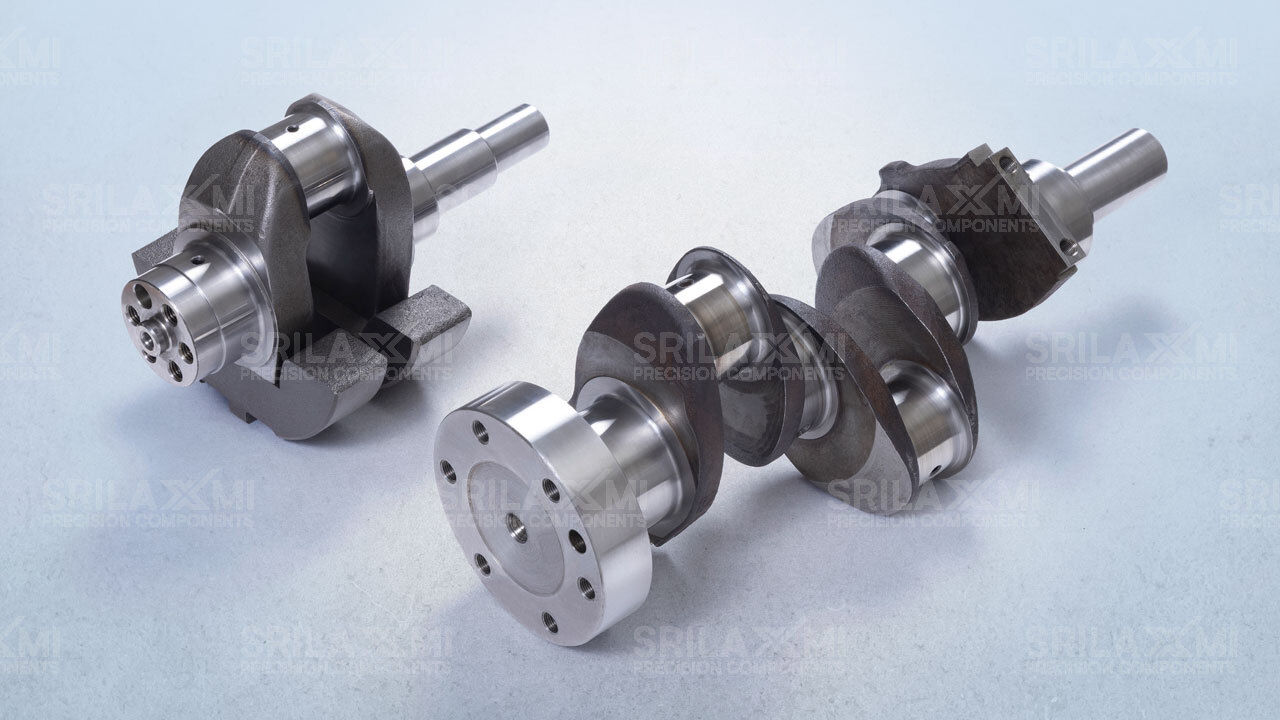
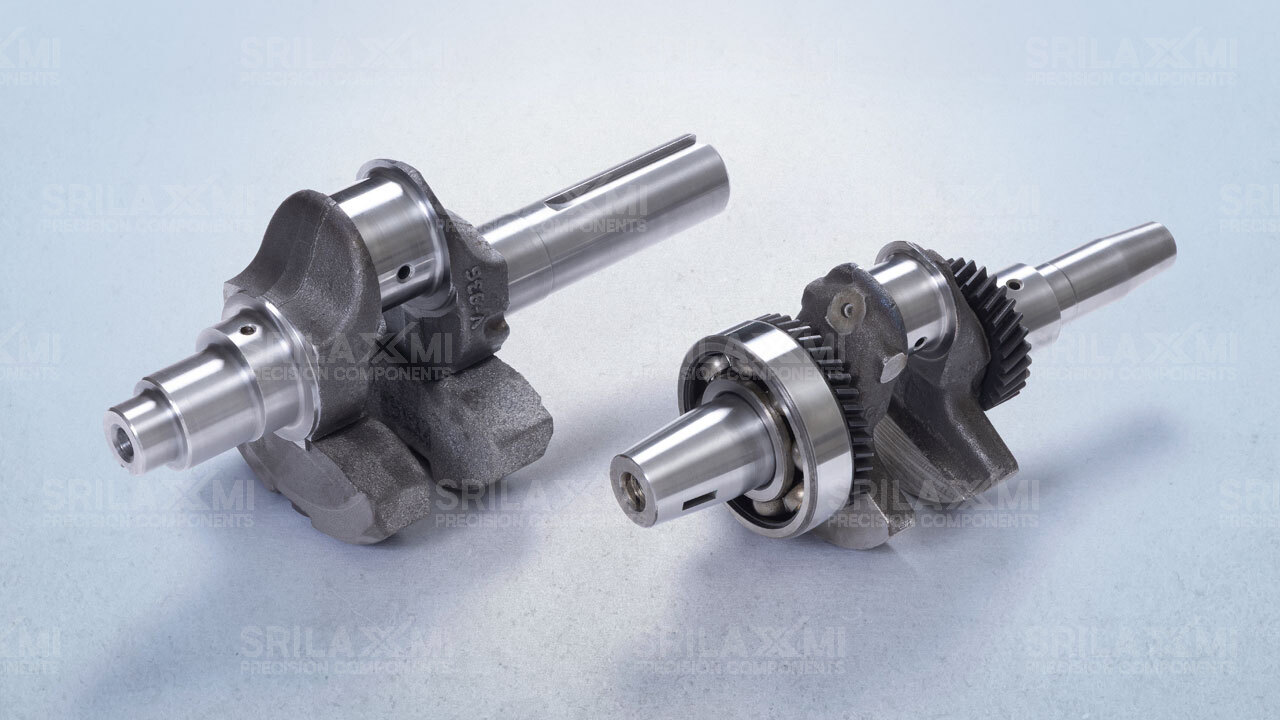
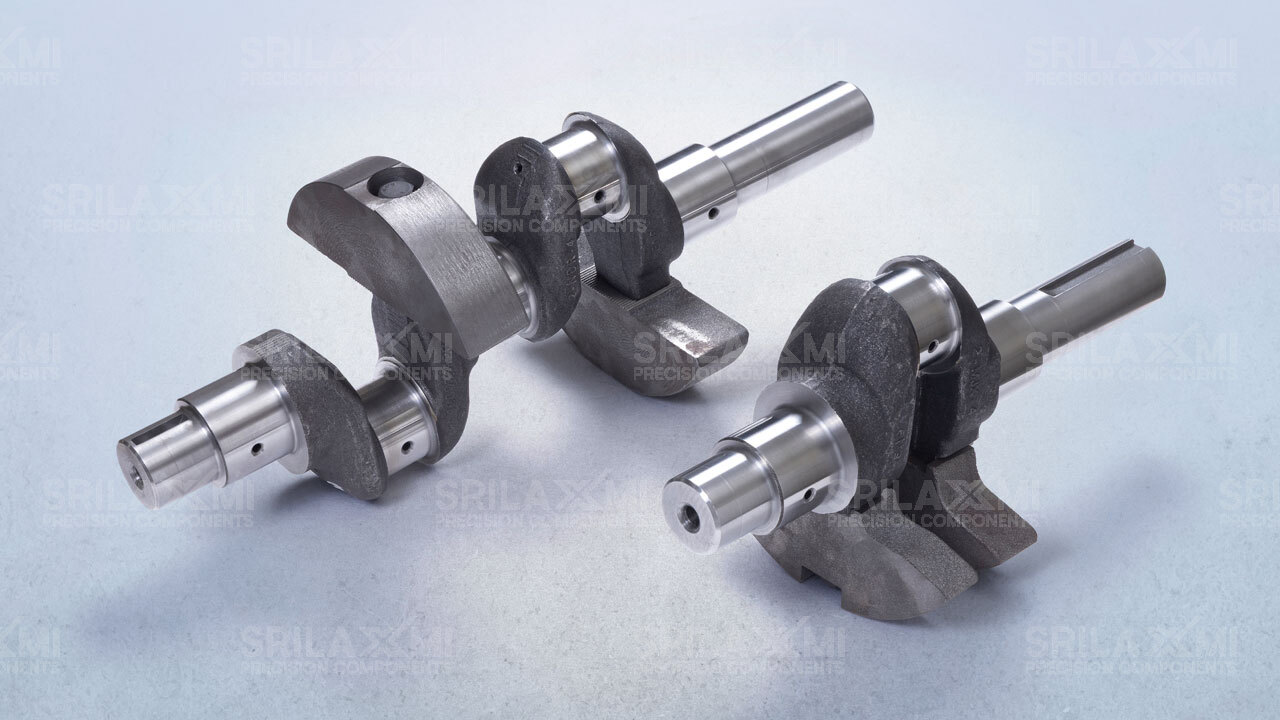
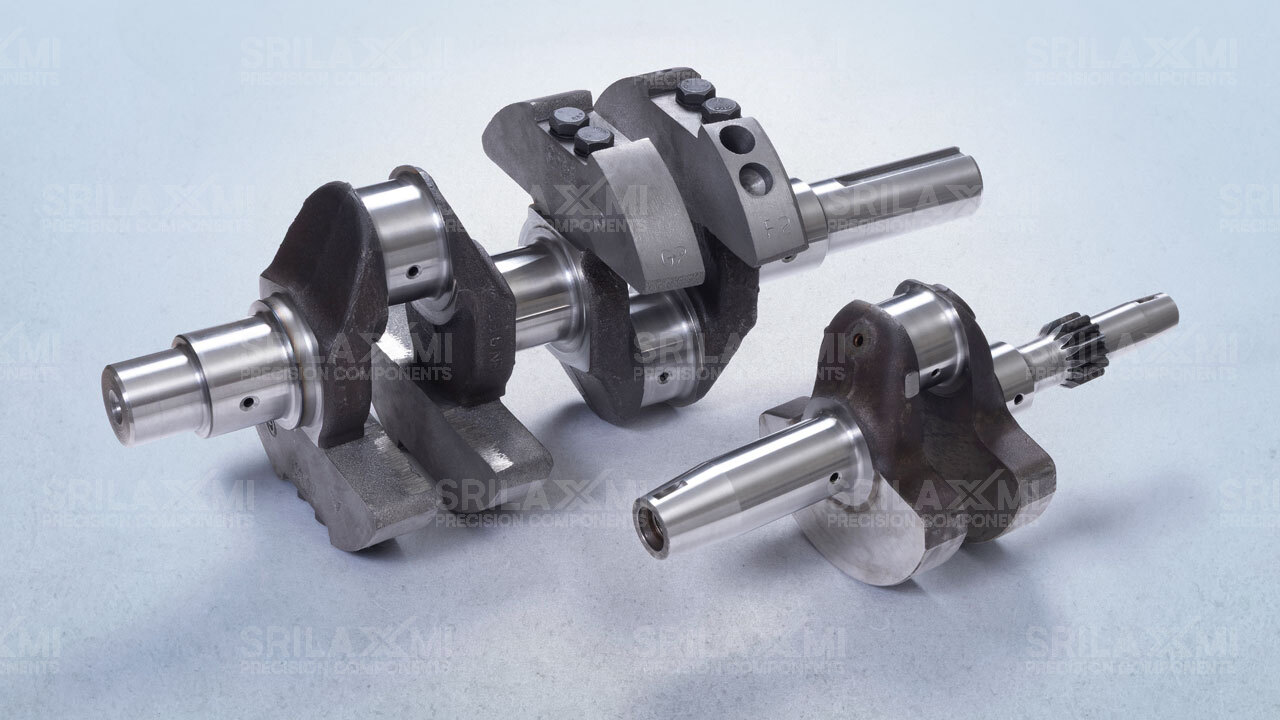
SriLaxmi Precision Components manufactures and supplies high-performance engine crankshafts for automotive, agricultural, marine, power-generation, and other compact engine platforms. Designed to handle variable-speed operation and fluctuating torque loads, our crankshafts deliver reliability across diverse engine systems.
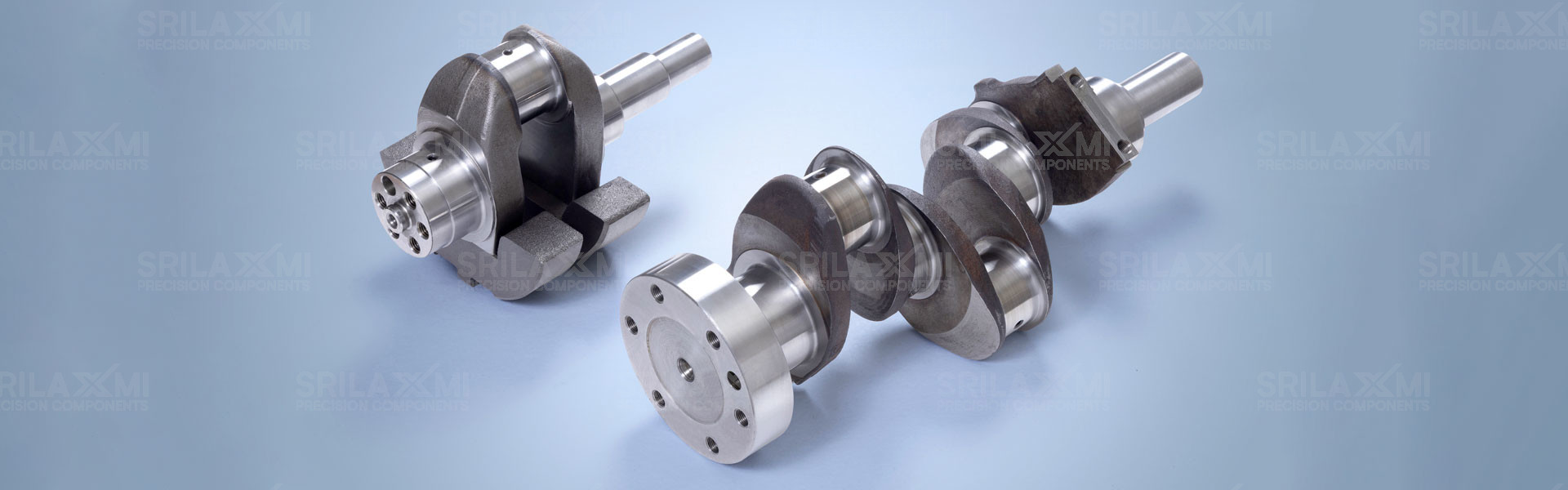
Engine Crankshaft Range

Configurations Aligned with Engine Specifications

We manufacture engine crankshafts in various configurations to meet diverse engine architectures and performance requirements. Our products accommodate different combustion pressures, torque characteristics, and RPM ranges, and comply with approved drawings and application-specific standards for automotive, agricultural, marine, and power-generation applications.

agriculture

Product Range

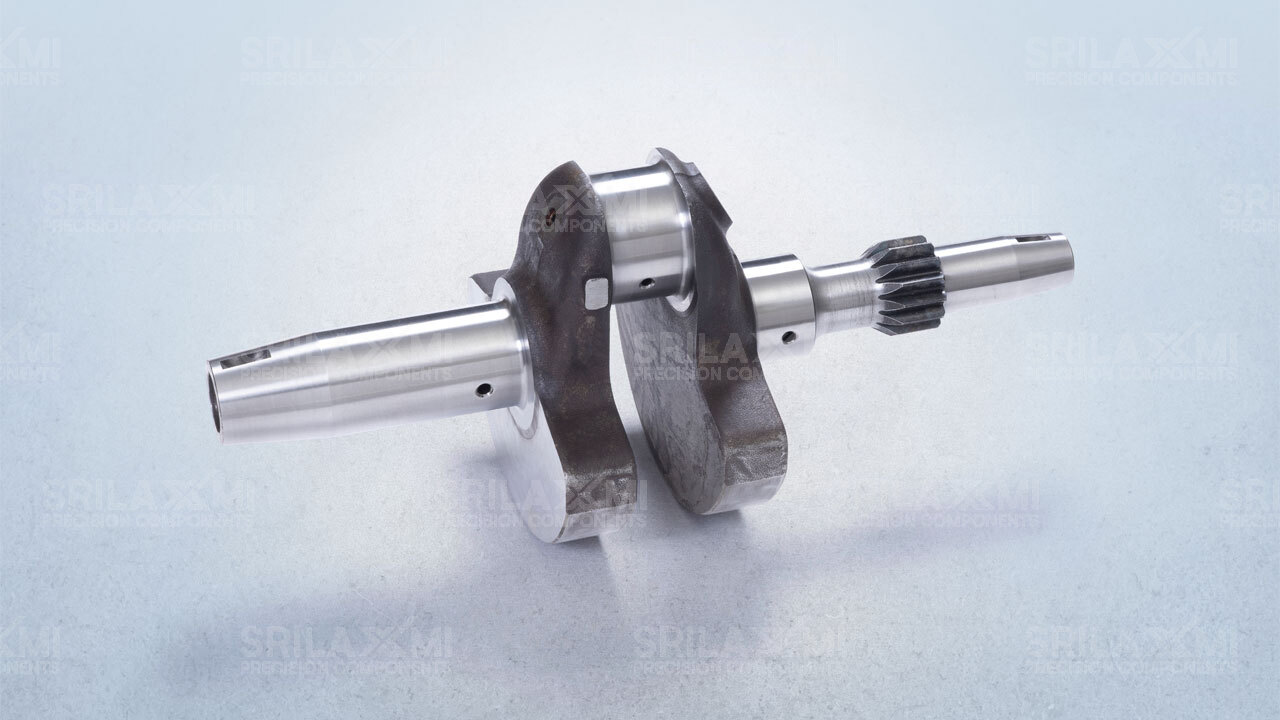
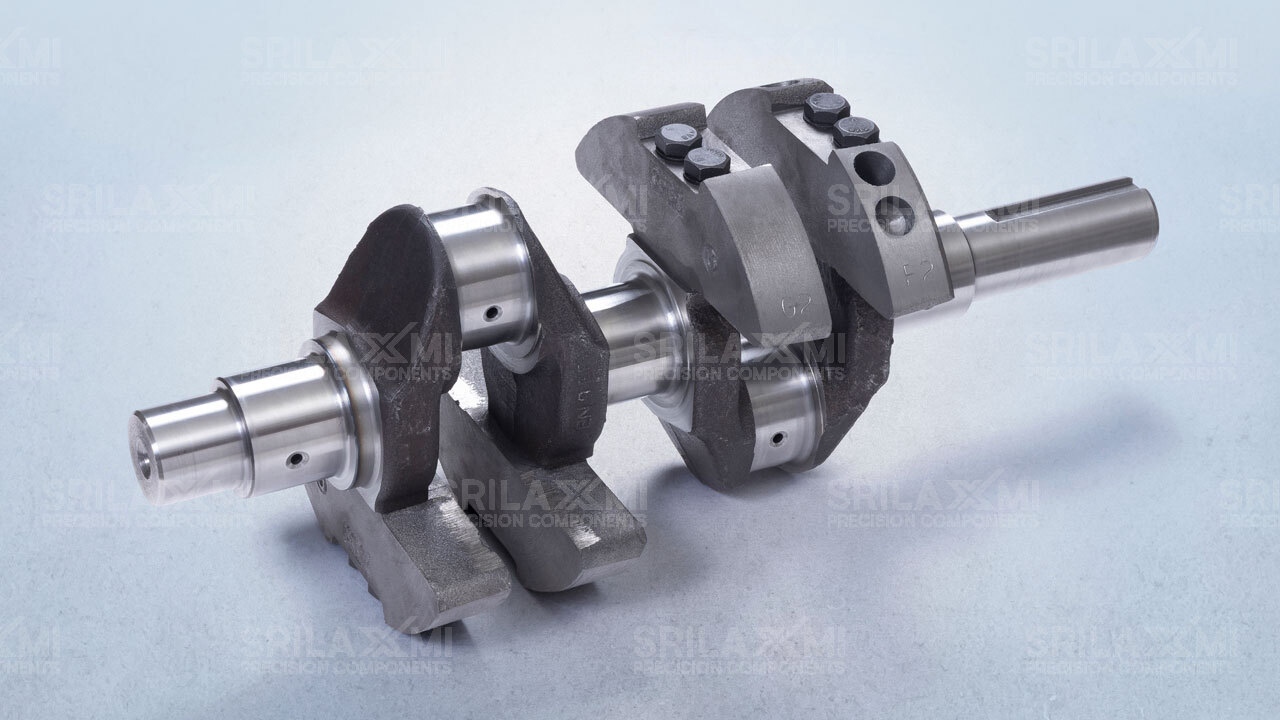
We offer a comprehensive range of engine crankshafts designed to support varied engine configurations, combustion characteristics, and operational load profiles. Our portfolio includes over 100+ types of single to multi-cylinder crankshafts developed for diesel gensets, agricultural engines, marine engines, construction equipment, and other engine-driven systems.

Each configuration is manufactured in alignment with approved drawings and defined performance parameters, accommodating differences in torque output, rotational speed, and dimensional constraints. Whether for standard production programs or customized engine platforms, our manufacturing capabilities support consistent structural strength, geometric accuracy, and application-specific durability.

Specification Summary

Dimensional Capabilities, Materials & Supply Options

This section summarizes the dimensional capabilities, material grades, and supply configurations available for engine crankshafts. Each specification is aligned with approved drawings or in accordance with OEM standards.

Dimensions & Tolerance

  • Overall length: 200–700 mm
  • Journal diameters: 20–75 mm
  • Weight range: 3–30 kg
  • Dimensional tolerance: up to ±0.005 mm or as per specification.

Configuration & Supply Condition

  • Single to multi-cylinder crankshafts are manufactured as per approved drawings and application requirements.
  • Fully finished, semi-finished, or assembly-ready crankshafts as per specification. 
  • Custom configurations are available for legacy systems and specialized engine platforms.


Material Grades

  • Carbon steel
  • Alloy steel
  • Ductile iron
  • Or OEM defined materials

Engine Crankshafts Applications Overview

Across Automotive and Industrial Engine Segments

We specialize in manufacturing OE-quality, high-performance engine crankshafts for a diverse range of combustion-driven platforms. Our engine crankshafts are engineered to excel across a range of load and speed conditions, ensuring optimal performance and durability.

View Key Segments

Agriculture (Tractor)

automotive automotive-industry-tractor-img

Outdoor Power Equipment

garden-lawn-equipment lawn-mower-crankshaft-garden-maintenance

Power Generation

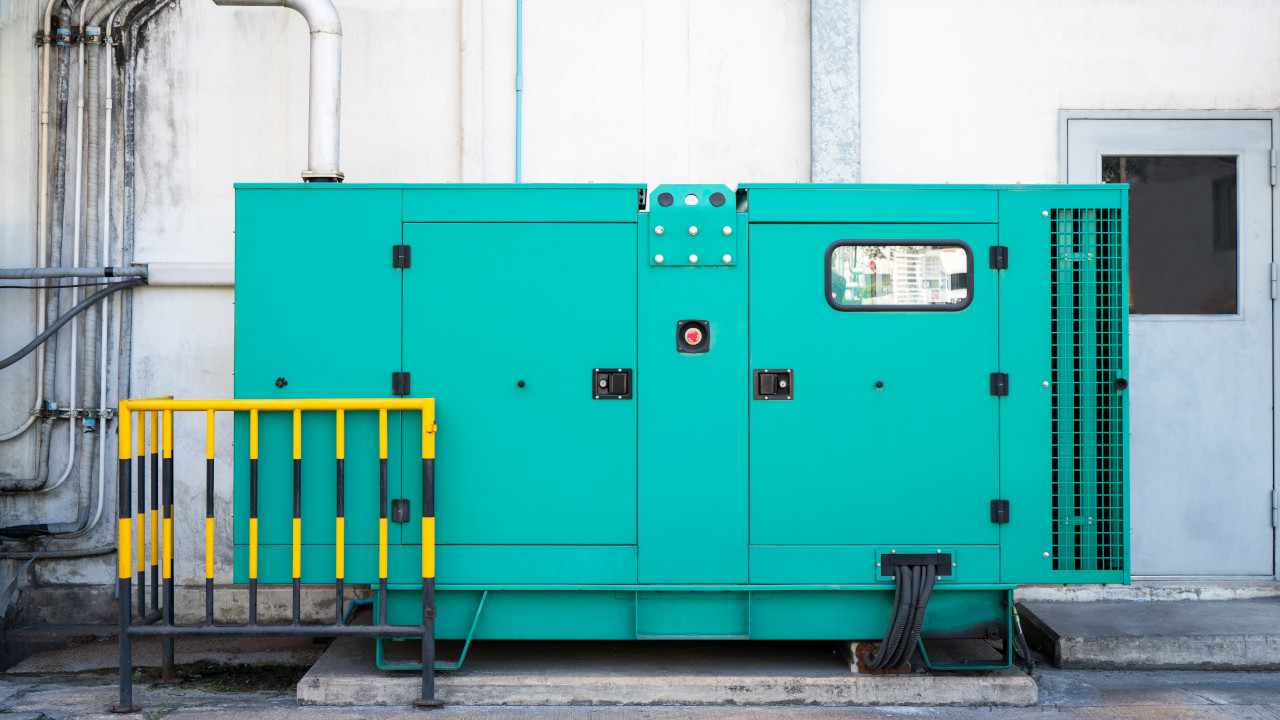
power-generation Portable generator with visible engine and control panel, showcasing crankshaft use in power equipment.

Construction

construction Construction worker using concrete saw on road surface, powered by a crankshaft-driven cutting engine.

Automotive

1S4A0002-copy automotive-ape

Marine

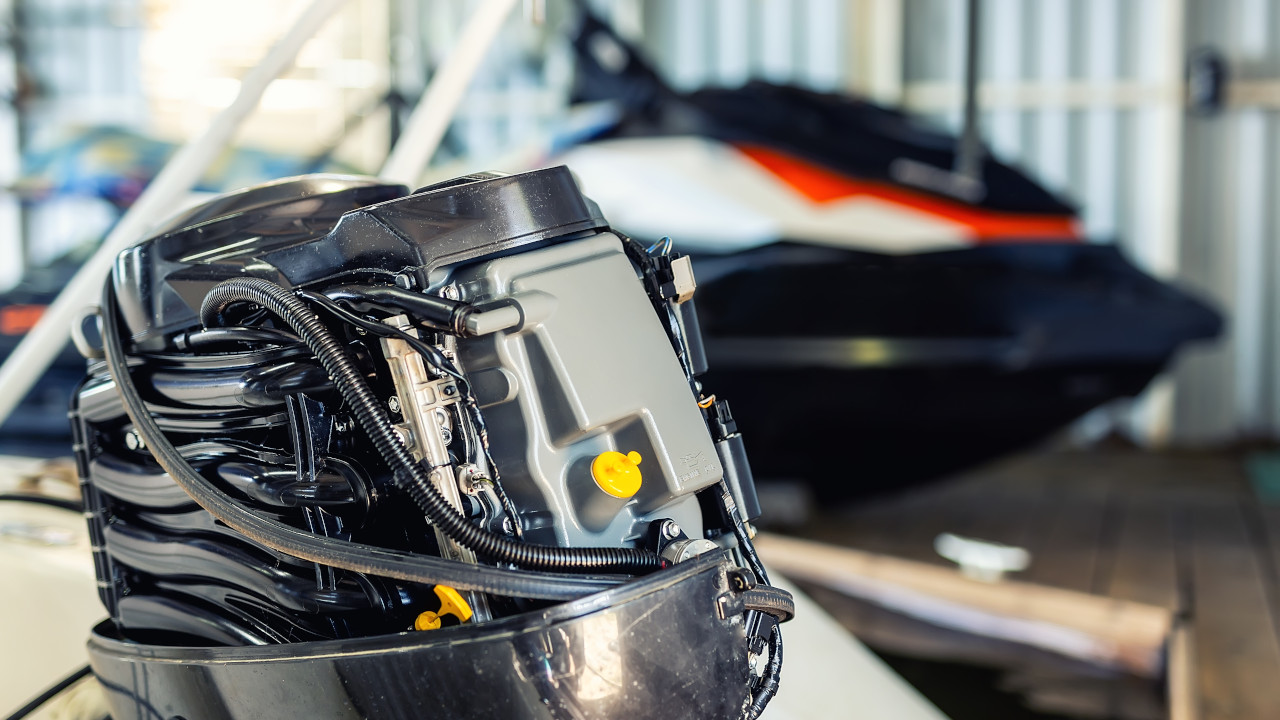
marine Outboard motor engine mounted on boat, illustrating crankshaft use in marine propulsion systems.

Quality & Validation

Verification Aligned with Combustion-Driven Loads

Engine crankshafts operate under fluctuating combustion forces and variable speeds, making them susceptible to significant mechanical and thermal stresses throughout their lifecycle. Our quality control rigorously checks dimensions, material integrity, and balance to ensure durability, efficiency, and reliability under demanding conditions.

product-development-icon

Dimensional & Geometric Control

Critical journals and crank pins are inspected using approved drawings to confirm concentricity, roundness, and proper alignment under load. Both in-process and final checks ensure dimensional accuracy of crank throws, oil passages, and bearing surfaces, which is essential for stable operation under combustion stress.

certifications-icon

Material & Process Integrity

Controlled hardening processes enhance wear resistance while preserving core toughness necessary for cyclic load endurance. Heat-treatment parameters are aligned with application-specific combustion pressures and friction zones to maintain surface durability without compromising structural strength.

sssembly-stock-holding-icon

Rotational Stability Verification

Dynamic balancing ensures controlled mass distribution, supporting smoother engine operation and reduced vibration across RPM ranges. Balance verification minimizes mechanical stress on bearings and adjacent components, contributing to improved operational stability and long-term engine performance.

Crankshafts for Engine Platforms

Understanding Their Functional and Load Dynamics

Engine crankshafts operate under constantly changing RPM ranges and torque cycles, making fatigue resistance and rotational balance critical design considerations. Unlike continuous-duty compressor systems, engine platforms experience dynamic acceleration, deceleration, and combustion-driven load variations that demand structural stability and precise journal alignment.

1S4A0002-copy

Role in Engine Operation

The crankshaft converts reciprocating piston motion into rotational output, directly affecting torque transmission, combustion efficiency, and engine smoothness. Dimensional accuracy and journal alignment are essential for balanced power delivery and reduced mechanical losses.

Load & Fatigue Considerations

Engine Crankshafts must withstand cyclic bending stresses and torsional loads from combustion. Dynamic forces from changing RPMs require structural resilience. Proper mass distribution, fillet design, and journal geometry are critical for fatigue resistance and operational stability.

Material & Surface Requirements

Material selection and surface hardening are matched to combustion pressures, friction zones, and wear conditions. Controlled heat treatment improves surface durability and core toughness, allowing the crankshaft to withstand repeated load cycles without loss of integrity.

Rotational Stability & Balance

Controlled machining and dynamic balancing maintain smooth engine operation across varying RPMs. Accurate mass distribution reduces vibration, extends bearing life, and ensures consistent performance under all load conditions.

Discuss Your Crankshaft Requirements

Reach out to discuss specifications, production planning, or sourcing requirements. We are ready to support with responsive communication and structured manufacturing capabilities.